Why Is Water Leaking Inside My Sub-Zero Refrigerator?
July 14, 2026
Wine Cellar Compressor Failure: Warning Signs Before It Stops Cooling
July 15, 2026
Why Is My Wine Cellar Too Humid—or Too Dry?
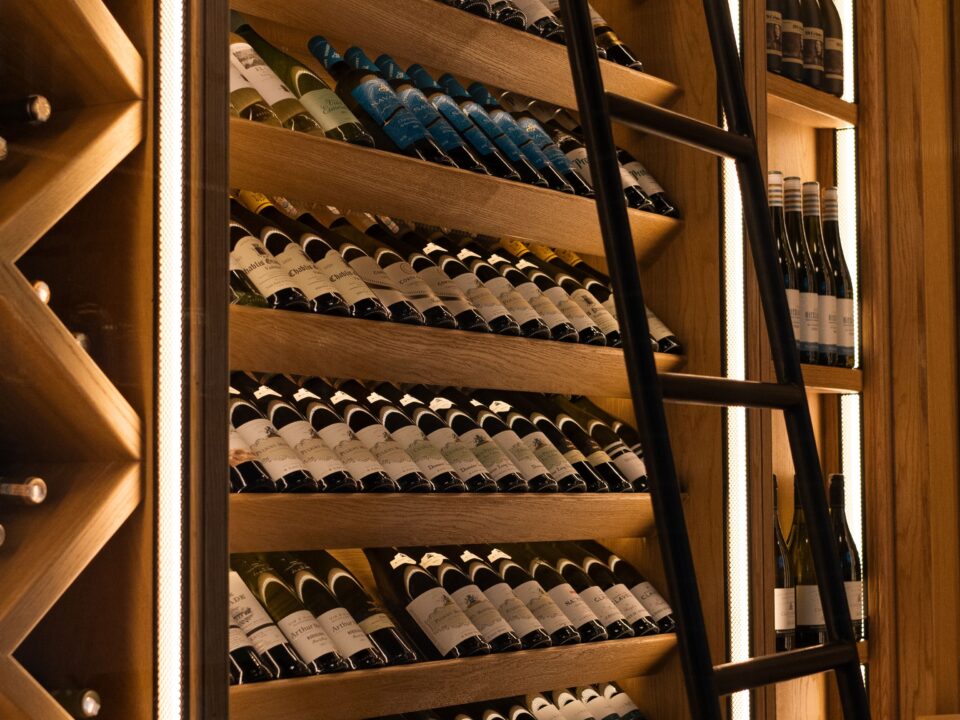
A properly designed wine cellar does much more than keep bottles cool. It also maintains the right humidity level to preserve corks, protect labels, and create the ideal environment for long-term wine storage. While most homeowners focus on temperature, humidity is just as important. If the air inside your wine cellar becomes too humid or too dry, your wine collection may be at risk long before you notice visible damage.
Humidity problems often develop slowly, making them easy to overlook. By the time mold appears, corks begin shrinking, or labels become damaged, the underlying issue has usually been affecting the cooling system for weeks or even months. If your wine cellar no longer feels balanced or you’re noticing signs of excessive moisture or dryness, call SubZeroSoCal.com at 213-290-0477 or schedule professional service at https://subzerosocal.com. Early diagnosis helps protect both your cooling system and your valuable collection.
Why Humidity Matters in a Wine Cellar
Temperature controls how wine ages, but humidity protects the bottle itself.
Most wine experts recommend maintaining relative humidity between 50% and 70%. Within this range, corks remain slightly moist, creating a proper seal that limits oxygen exposure while preventing excessive evaporation.
When humidity falls outside this range, problems begin to develop.
Air that is too dry gradually shrinks natural corks.
Air that is too humid encourages mold growth, label deterioration, wood damage, and excess condensation.
Both extremes can reduce the quality and long-term value of your collection.
Why Your Wine Cellar May Be Too Humid
Excess humidity is one of the most common complaints among wine cellar owners.
Although some moisture is necessary, too much humidity creates an unhealthy storage environment.
Several mechanical and environmental issues may be responsible.
Poor Air Circulation
Airflow plays a major role in controlling humidity.
If cooled air cannot circulate evenly throughout the wine cellar, moisture begins collecting in certain areas.
You may notice damp walls, condensation on bottles, or mold developing in corners where airflow is restricted.
Blocked vents, overcrowded wine racks, or failing circulation fans often contribute to this problem.
Cooling System Malfunctions
Wine cellar cooling systems are carefully designed to balance both temperature and humidity.
When sensors, fans, or refrigeration components begin malfunctioning, humidity control may become unstable.
The system may cool properly while failing to regulate moisture levels effectively.
Because several components work together to maintain proper environmental conditions, professional diagnostic testing is essential for identifying the true source of the problem.
Door Seal Leaks
A damaged door gasket allows warm, humid air from outside the cellar to enter continuously.
As warm air meets cooler interior surfaces, condensation develops.
Over time, excessive moisture creates ideal conditions for mold growth while forcing the cooling system to work harder.
Routine inspections often identify worn door seals before they begin affecting humidity control.
Frequent Door Openings
Every time the wine cellar door opens, outside air enters the storage space.
In Southern California, changing weather conditions can introduce significant humidity into the cellar.
Although occasional access is normal, frequent door openings increase the workload on the cooling system and make it more difficult to maintain consistent environmental conditions.
Why Your Wine Cellar May Be Too Dry
While excess moisture receives more attention, low humidity can be equally damaging.
Dry air slowly removes moisture from natural corks.
As corks shrink, oxygen enters the bottle and the wine begins aging faster than intended.
Over time, oxidation may permanently alter flavor, aroma, and overall quality.
Low Indoor Humidity
Some luxury homes operate year-round with powerful air conditioning systems.
These systems naturally reduce indoor humidity.
If the wine cellar draws in this dry air through leaks or frequent door openings, humidity levels may gradually fall below the recommended range.
Cooling System Running Continuously
A cooling unit that operates almost constantly removes additional moisture from the air.
Continuous operation may be caused by dirty condenser coils, airflow restrictions, refrigerant problems, or aging mechanical components.
Instead of simply adjusting humidity levels manually, the underlying cooling problem should be professionally diagnosed.
Improper System Sizing
Wine cellar cooling systems must be matched carefully to the size and insulation of the room.
An oversized cooling unit may reduce humidity too quickly.
An undersized system may struggle to maintain stable environmental conditions altogether.
Professional evaluation ensures the cooling equipment is operating as intended for your specific wine cellar.
Warning Signs That Humidity Is Becoming a Problem
Humidity issues often produce visible clues before significant damage occurs.
You may notice condensation on bottles or glass doors.
Wine labels may wrinkle, discolor, or peel away.
Musty odors may begin developing.
Wooden wine racks may swell or warp.
Natural corks may appear dry or begin protruding slightly from bottles.
The cooling unit may also run longer than usual as it struggles to maintain stable conditions.
These warning signs should never be ignored because correcting humidity problems early helps preserve both the wine and the cooling system.
Why DIY Repairs Can Cause More Damage
Many homeowners attempt to solve humidity problems by adjusting thermostat settings, adding portable humidifiers, blocking vents, or replacing random components.
Unfortunately, humidity issues often originate from refrigeration systems, electronic controls, airflow problems, refrigerant performance, or failing sensors rather than simple thermostat settings.
Wine cellar cooling systems contain sealed refrigeration circuits, electrical components, sophisticated controls, and specialized equipment that require professional diagnosis.
DIY repairs can create electrical hazards, damage expensive components, reduce cooling efficiency, or increase repair costs by masking the original problem.
If your wine cellar is too humid or too dry, call SubZeroSoCal.com at 213-290-0477 or schedule service online at https://subzerosocal.com. Professional diagnosis identifies the true source of humidity problems without unnecessary guesswork.
Preventive Maintenance Helps Maintain the Perfect Environment
Routine maintenance is one of the best ways to prevent humidity-related issues.
Professional service includes inspecting fan motors, testing sensors, cleaning condenser coils, evaluating refrigerant performance, checking airflow, examining door gaskets, verifying electrical controls, and ensuring the cooling system maintains stable environmental conditions.
These inspections allow technicians to identify developing issues before humidity begins affecting your wine collection.
Consistent maintenance not only protects expensive bottles but also extends the life of the cooling equipment itself.
Questions Homeowners Often Ask
Many homeowners wonder whether slight humidity changes are normal.
Minor fluctuations occur during normal cooling cycles, but persistent high or low humidity usually indicates an issue that should be evaluated.
Another common question is whether a portable humidifier solves dry wine cellar conditions.
While temporary humidity adjustments may appear helpful, they rarely address the underlying mechanical cause if the cooling system itself is malfunctioning.
Homeowners also ask whether mold automatically means the cooling unit has failed.
Not necessarily.
Poor airflow, door seal leaks, excess moisture infiltration, or drainage problems may all contribute to mold growth without requiring complete system replacement.
A professional inspection determines the actual cause before unnecessary repairs are performed.
Professional Wine Cellar Service Throughout Southern California
Luxury homeowners throughout Los Angeles, Beverly Hills, Santa Monica, Pasadena, and surrounding Southern California rely on professionally maintained wine cellars to preserve valuable collections under ideal storage conditions.
Experienced technicians understand the specialized refrigeration systems used in premium wine storage and can accurately diagnose humidity problems before long-term damage occurs.
SubZeroSoCal.com is an independent service provider and is not affiliated with or endorsed by Sub-Zero, Wolf, or Cove. All trademarks remain the property of their respective owners.
Protect Your Wine Collection with Professional Humidity Control
Humidity may be invisible, but its effects on your wine collection can be permanent. Whether your wine cellar is too humid, too dry, or experiencing constant environmental fluctuations, early diagnosis is the best way to prevent expensive damage and preserve the quality of every bottle.
If you’ve noticed condensation, dry corks, mold, unusual odors, or unstable humidity inside your wine cellar, don’t wait for the problem to worsen. Call SubZeroSoCal.com today at 213-290-0477 or schedule professional service online at https://subzerosocal.com. Expert care will help restore the ideal environment your wine collection deserves.
xc