The Most Expensive Sub-Zero Repairs—and How Regular Maintenance Prevents Them
July 14, 2026
Sub-Zero Refrigerator Making Loud Noises? What Every Sound Means
July 14, 2026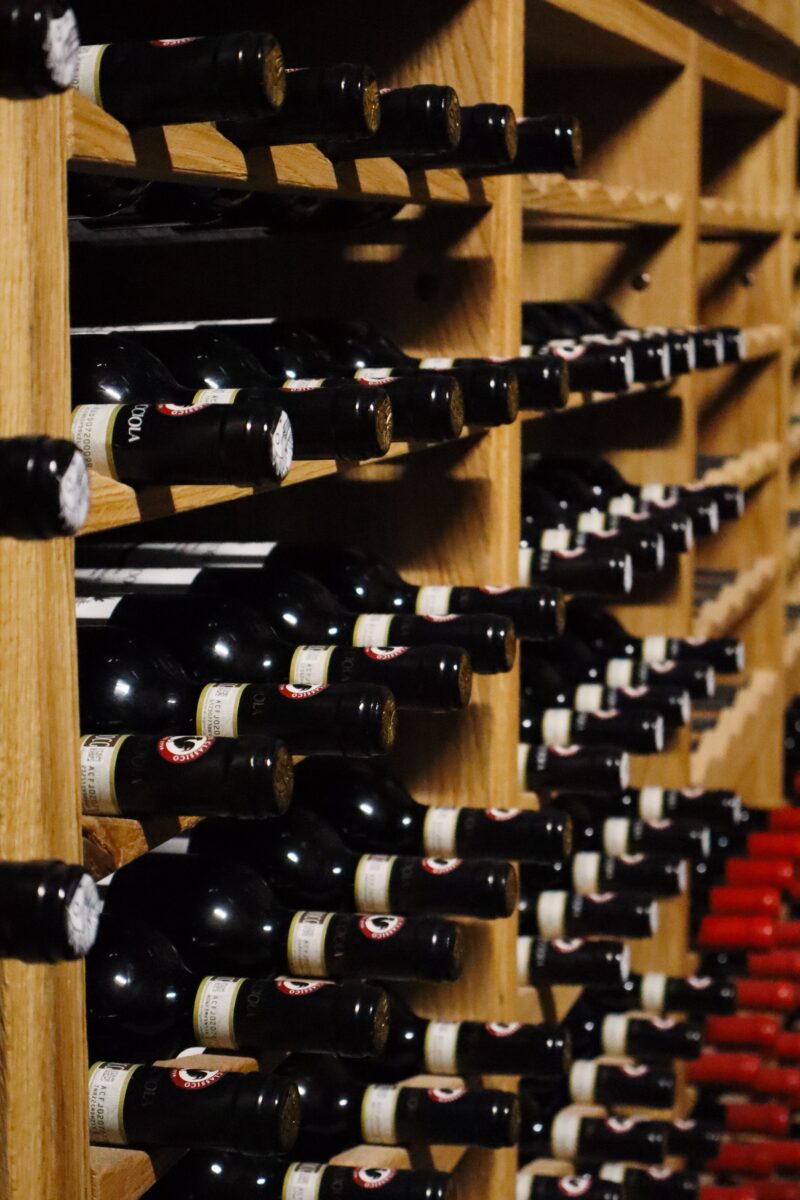
Wine Cellar Not Holding Temperature? 8 Common Reasons
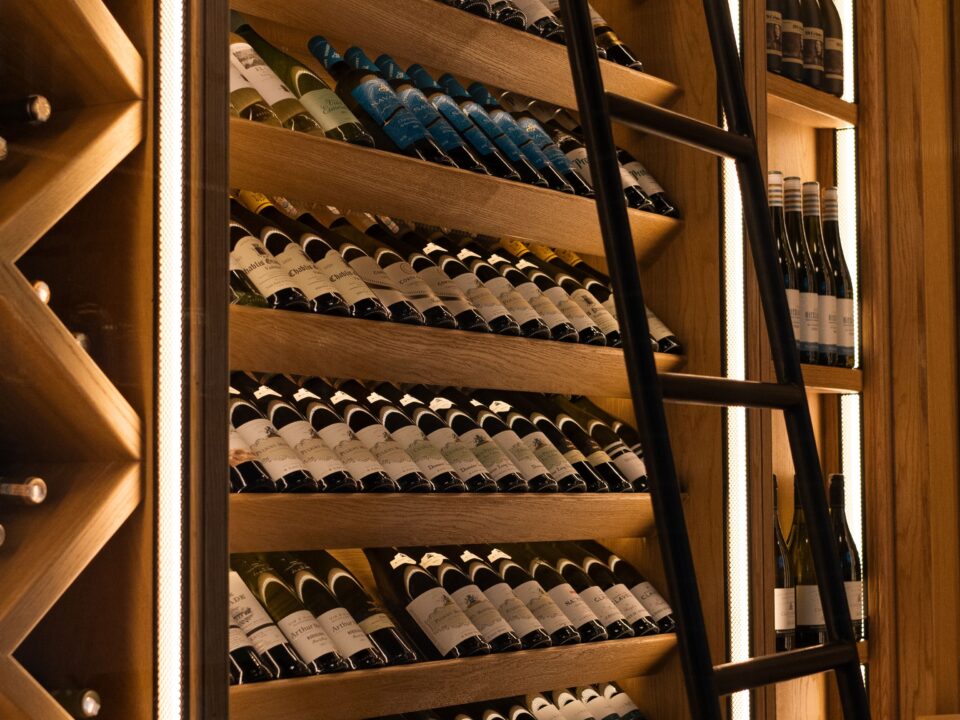
A wine cellar is designed to do one thing exceptionally well: protect your wine collection by maintaining a stable environment. Even small temperature changes can affect the aging process, alter flavor profiles, dry out corks, and reduce the value of collectible bottles. If your wine cellar is no longer holding the temperature you’ve set, it’s important to act quickly before permanent damage occurs.
Many homeowners assume the cooling unit has simply worn out, but temperature problems often begin with smaller issues that become more serious over time. Identifying the cause early can prevent costly repairs and protect your investment. If your wine cellar is struggling to stay cool, call SubZeroSoCal.com at 213-290-0477 or schedule professional service at https://subzerosocal.com. Prompt diagnosis is the safest way to restore proper cooling before your collection is affected.
Why Stable Temperature Is So Important
Unlike a standard refrigerator, a wine cellar is designed to maintain a very consistent temperature with minimal fluctuations. Most wine collections are best preserved between 55°F and 58°F, depending on the wines being stored.
When temperatures rise or constantly change, wine expands and contracts inside the bottle. Over time, this movement can weaken corks, allow oxygen to enter, and accelerate the aging process. Even expensive wines can lose quality if stored under unstable conditions for an extended period.
Because luxury wine collections often represent years of investment, maintaining proper cooling is just as important as selecting the right bottles.
1. Dirty Condenser Coils
One of the most common causes of poor cooling is dirty condenser coils.
As dust, lint, and debris accumulate, the cooling system cannot release heat efficiently. The cooling unit must work harder and run longer while producing less cooling power.
At first, homeowners may notice only slight temperature fluctuations. Eventually, the wine cellar may struggle to reach the desired setting at all.
Routine professional cleaning keeps condenser coils operating efficiently while reducing stress on the entire cooling system.
2. Failing Evaporator Fan
The evaporator fan circulates cooled air evenly throughout the wine cellar.
If the fan begins slowing down or stops operating properly, cold air no longer reaches every section of the storage area.
Some bottles may remain cool while others experience warmer temperatures.
You may also notice reduced airflow or unusual humming noises coming from the cooling unit.
Replacing a failing fan early often prevents additional strain on other refrigeration components.
3. Refrigerant Leaks
The refrigerant inside the sealed cooling system is responsible for absorbing and transferring heat.
If a leak develops anywhere in the sealed system, cooling performance gradually declines.
Early symptoms often include longer cooling cycles, rising temperatures, or a system that runs continuously without reaching the selected temperature.
Because refrigerant systems operate under pressure and require specialized equipment, repairs should always be performed by qualified technicians.
Attempting DIY repairs on sealed refrigeration systems can create additional damage and significantly increase repair costs.
4. Malfunctioning Temperature Sensors
Wine cellar cooling systems rely on electronic sensors to monitor internal temperatures.
If one of these sensors begins sending inaccurate information to the control board, the cooling unit may cycle incorrectly.
The system might stop cooling too soon or continue running even after the proper temperature has been reached.
This creates unstable conditions that can affect the quality of your wine collection without immediately triggering obvious warning signs.
Professional diagnostic testing accurately identifies faulty sensors before they create larger system problems.
5. Door Seal Problems
A damaged door gasket allows warm air to enter the wine cellar every time the cooling system cycles off.
Even a small air leak forces the cooling unit to work much harder throughout the day.
As operating time increases, wear on compressors, fans, and electronic controls also increases.
Many homeowners overlook worn door seals because they develop gradually.
Regular maintenance includes inspecting gaskets for cracks, gaps, and compression that may reduce their sealing ability.
6. Blocked Airflow
Proper airflow is essential for maintaining consistent temperatures throughout a wine cellar.
Boxes, wine cases, decorative items, or improperly arranged bottles can block air circulation.
Restricted airflow creates warm spots while forcing the cooling unit to operate longer than necessary.
Organizing bottles to allow free circulation improves cooling efficiency and helps maintain stable storage conditions.
7. Electronic Control Board Issues
Modern wine cellar cooling systems depend on electronic control boards to coordinate every cooling cycle.
These control boards communicate with temperature sensors, fans, compressors, and defrost systems.
Electrical failures, aging components, or moisture exposure may cause intermittent cooling problems that appear difficult to diagnose.
Because electronic controls interact with nearly every major component, professional testing is essential before replacing parts.
Guessing which component has failed often leads to unnecessary repairs while the original problem remains unresolved.
8. Aging Cooling System Components
Even high-quality wine cellar cooling systems experience normal wear over time.
Fan motors, compressors, electrical relays, capacitors, sensors, and other mechanical components gradually lose efficiency after years of continuous operation.
This process is usually gradual rather than sudden.
Many homeowners first notice the system running longer, cooling more slowly, or struggling during warmer weather.
Routine inspections identify aging components before they create complete cooling failures.
Why DIY Repairs Often Make the Problem Worse
Many homeowners search online for solutions when their wine cellar stops maintaining temperature.
While basic cleaning around accessible areas may be appropriate, repairs involving electrical systems, compressors, refrigerant, sealed cooling components, or electronic controls require specialized training.
DIY repairs can result in damaged wiring, refrigerant leaks, incorrect parts installation, electrical hazards, and unnecessary replacement of functioning components.
Because several different failures can produce nearly identical symptoms, replacing parts without proper testing often increases repair costs instead of solving the problem.
If your wine cellar is no longer maintaining proper temperature, call SubZeroSoCal.com at 213-290-0477 or schedule service online at https://subzerosocal.com. Professional diagnosis ensures the real problem is identified accurately before additional damage occurs.
How Preventive Maintenance Protects Your Wine Collection
Routine maintenance is one of the most effective ways to prevent unexpected cooling failures.
Professional service includes cleaning condenser coils, testing fan motors, inspecting electrical components, verifying refrigerant performance, checking door seals, evaluating sensors, monitoring airflow, and identifying worn parts before they fail.
This proactive approach helps maintain stable temperatures while extending the life of the cooling system.
For homeowners with valuable wine collections, preventive maintenance is far less disruptive than dealing with a sudden cooling failure.
Questions Homeowners Frequently Ask
One of the most common questions is whether slight temperature fluctuations are normal.
Minor changes during normal cooling cycles are expected, but consistent increases or repeated fluctuations usually indicate an underlying issue that should be inspected.
Another frequent question is whether the cooling unit should run continuously.
While longer run times may occur during extremely warm weather, a wine cellar that rarely shuts off often indicates reduced cooling efficiency, airflow restrictions, dirty coils, or developing mechanical problems.
Homeowners also ask whether opening the wine cellar door frequently causes problems.
Frequent door openings introduce warm air, increasing the workload on the cooling system. Minimizing unnecessary door openings helps maintain stable storage conditions.
Professional Wine Cellar Service Throughout Southern California
Luxury homeowners throughout Los Angeles, Beverly Hills, Santa Monica, Pasadena, and surrounding Southern California communities trust professionally maintained wine cellars to preserve valuable collections.
Experienced technicians understand the specialized cooling systems used in premium wine storage environments and can quickly identify the source of temperature problems before significant damage occurs.
SubZeroSoCal.com is an independent service provider and is not affiliated with or endorsed by Sub-Zero, Wolf, or Cove. All trademarks remain the property of their respective owners.
Protect Your Collection Before Temperature Problems Become Permanent
Wine is remarkably sensitive to temperature changes, and cooling problems rarely improve on their own. Small mechanical issues can quickly develop into larger system failures that place your entire collection at risk. Early professional diagnosis, regular maintenance, and timely repairs help preserve both your wine and your cooling system for years to come.
If your wine cellar is no longer holding the correct temperature, don’t wait for valuable bottles to be affected. Call SubZeroSoCal.com today at 213-290-0477 or schedule professional service online at https://subzerosocal.com. Expert service can restore reliable cooling and protect your investment with confidence.
xc